
Caramel Sauce
This post may contain affiliate links. As an Amazon Associate I earn from qualifying purchases. Please read my disclosure policy.
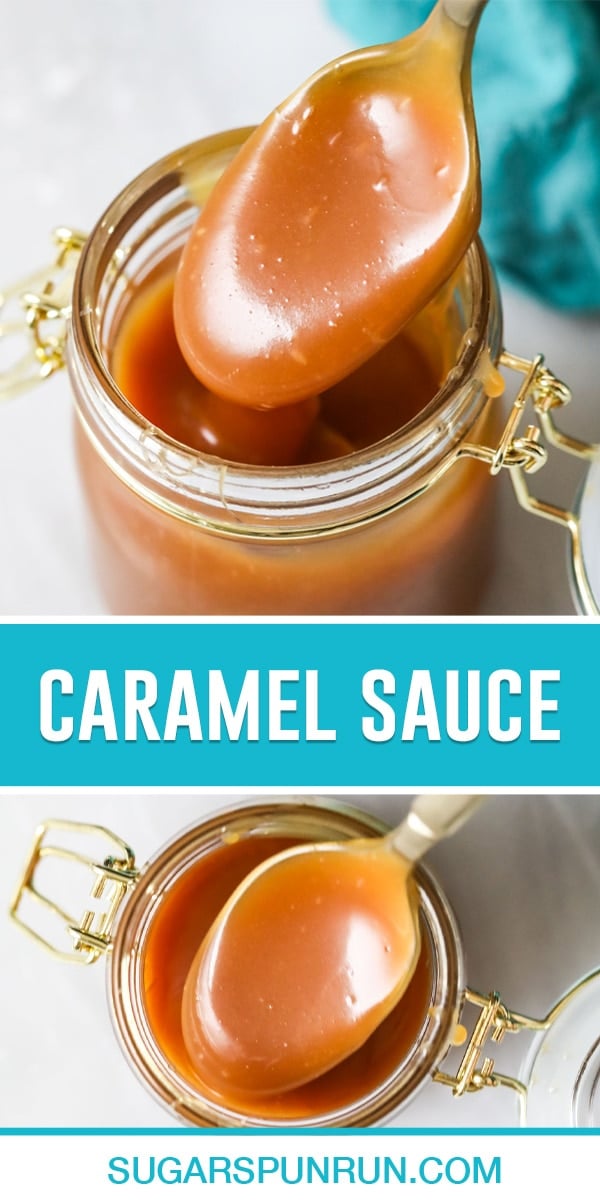
This is the only caramel sauce recipe you’ll ever need! Make it thick to use as a filling or keep it thin for drizzling over ice cream or cheesecake. Just a few ingredients (and a little patience) required!
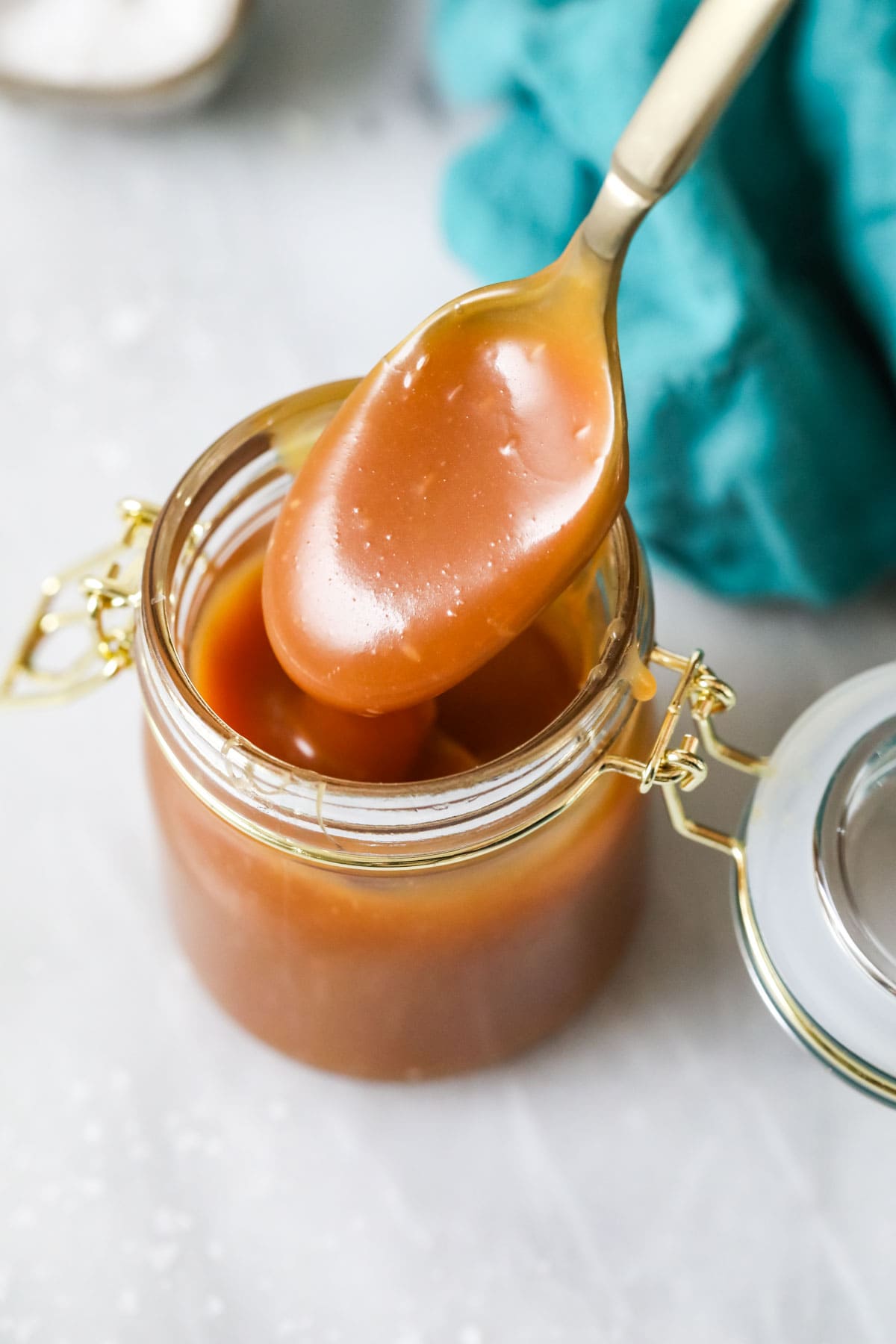
Perfect Homemade Caramel
If you’ve been following along for a little while, you might be thinking: “Doesn’t Sam already have a caramel sauce recipe?” And you’re absolutely right, I do! However, that recipe–my easy salted caramel sauce–isn’t actually a real caramel by standard definition. It’s still incredibly tasty though, and it’s the perfect fast and simple caramel for drizzling over brownie sundaes (yum).
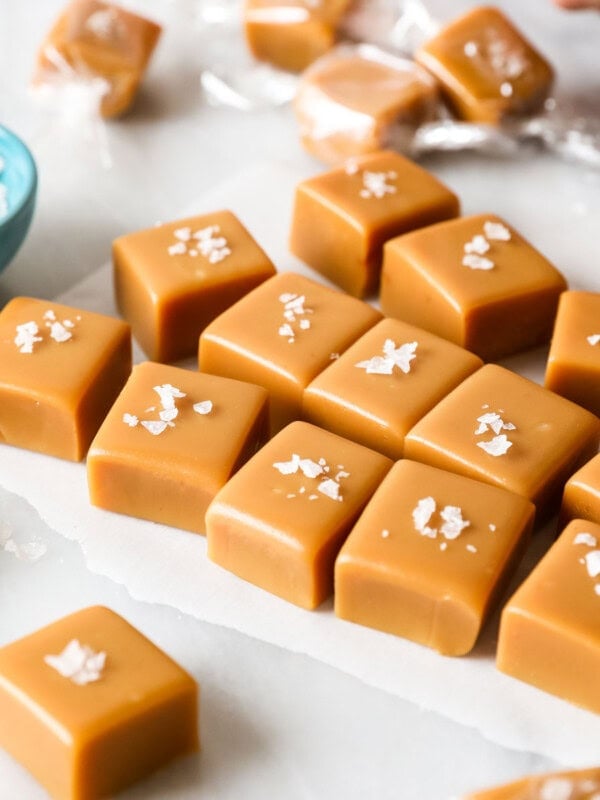
Today’s recipe is a true caramel. It starts with a granulated sugar base (a hallmark of real caramel — like my homemade caramel candy!) that cooks slowly until it becomes a perfectly golden and thick sauce that’s just glorious. The preparation is a bit different from my other recipe, but it’s still fairly quick and easy.
5 things to know about this recipe:
- Customizable consistency: use less cream for a thick sauce or more for a thinner sauce.
- Makes a great salted caramel: I include instructions on how much salt to add depending on your preference and intended purpose.
- Requires patience: caramelization takes time! Don’t walk away from your stove and don’t crank up the heat to speed things up. You should be used to this advice if you’ve made any of my candy recipes 😊
- Intuitive I know how intimidating it can be to whip one of these out, but I promise this caramel is easy! This recipe provides visual cues as well as tips for using a thermometer to be as accurate as possible and so everyone can be successful.
Before we start, let’s quickly go over which version of this sauce you should make for your intended use.
Thick VS. Thin Caramel Sauce
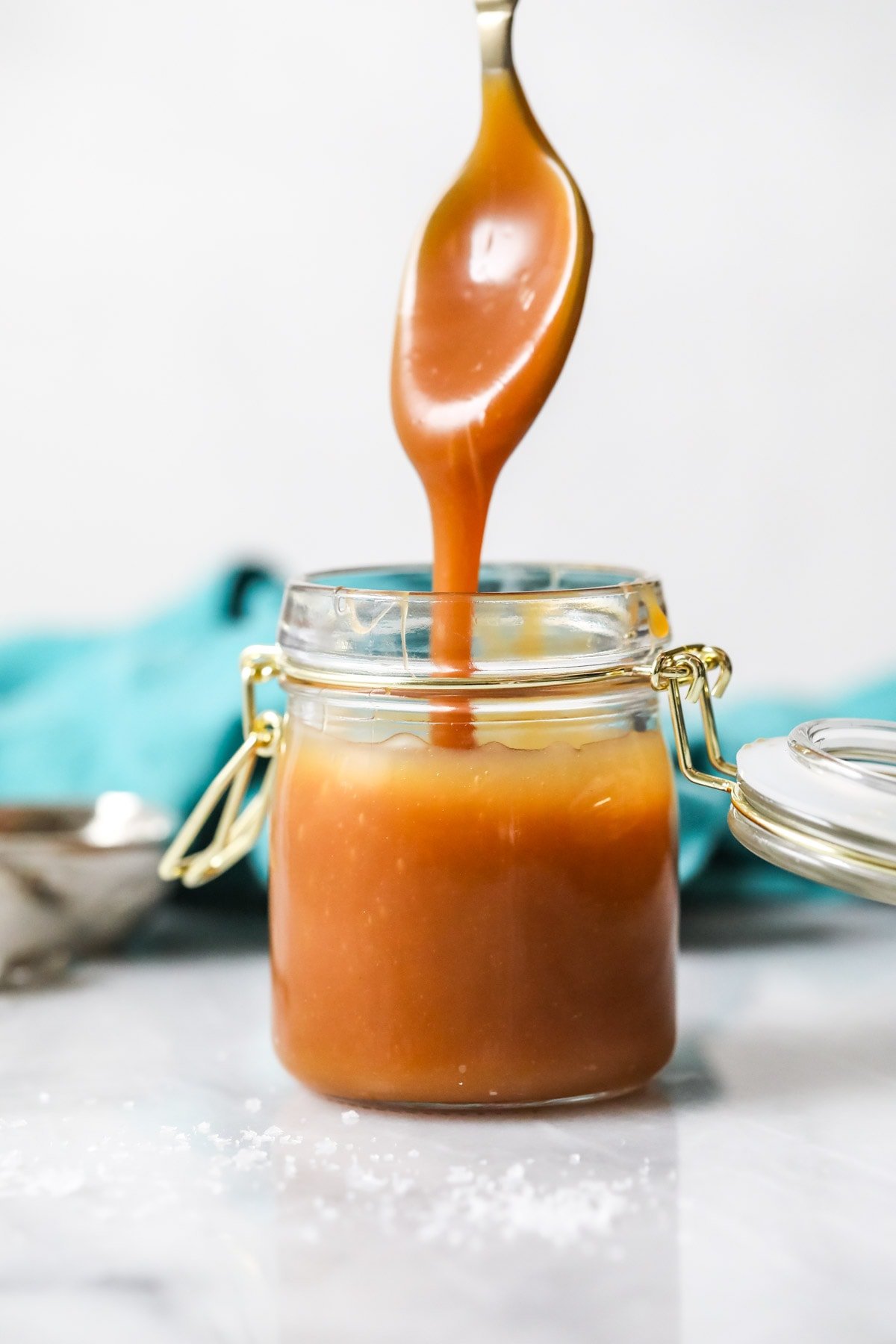
The great thing about my recipe is I include an option to make the caramel thicker or thinner, according to your preference or recipe. A thicker caramel that could be used for caramelitas has been high on my list of requests.
The thicker option uses less cream and has a thick and chewy, taffy-like consistency that is great for dipping apple slices (but not making caramel apples–more on this below). I’ve used this version for filling alfajores and macarons; however, at room temperature it will spread and spill out, so it’s best to still use a dam. I talk about using this sauce for a cake in the FAQ section below.
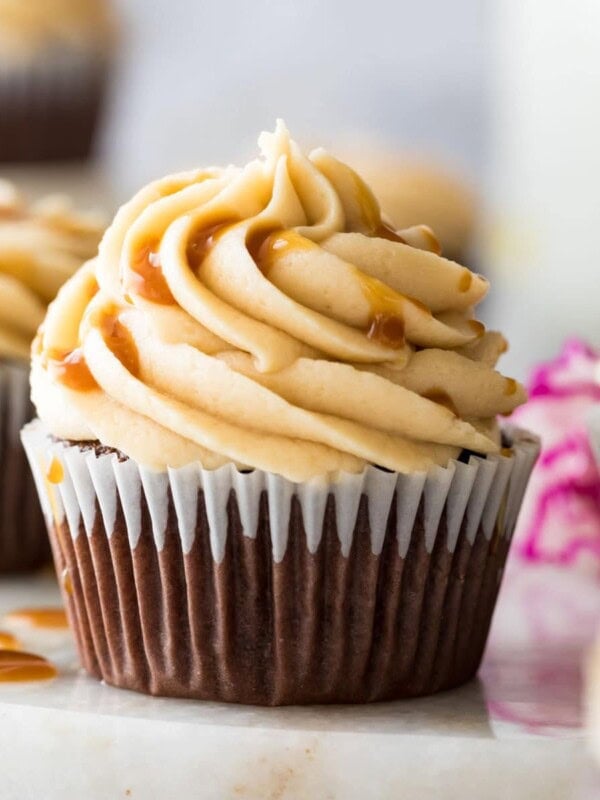
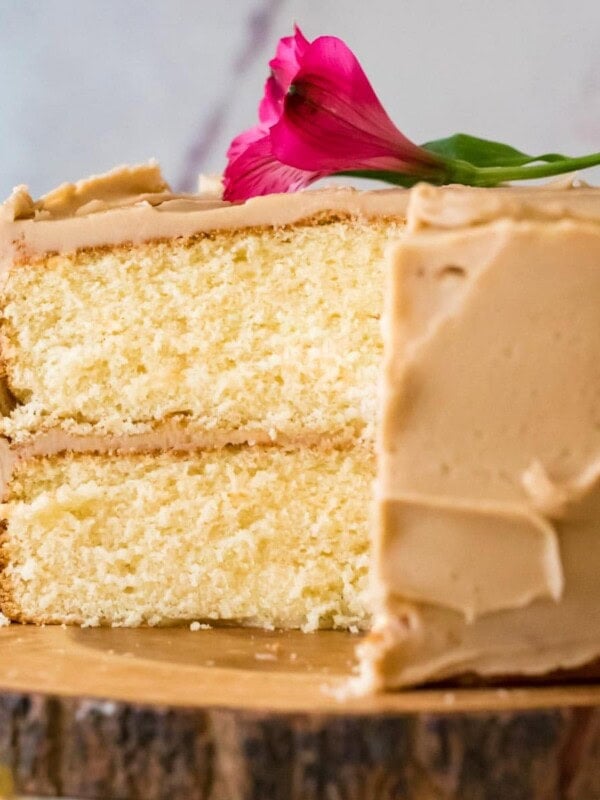
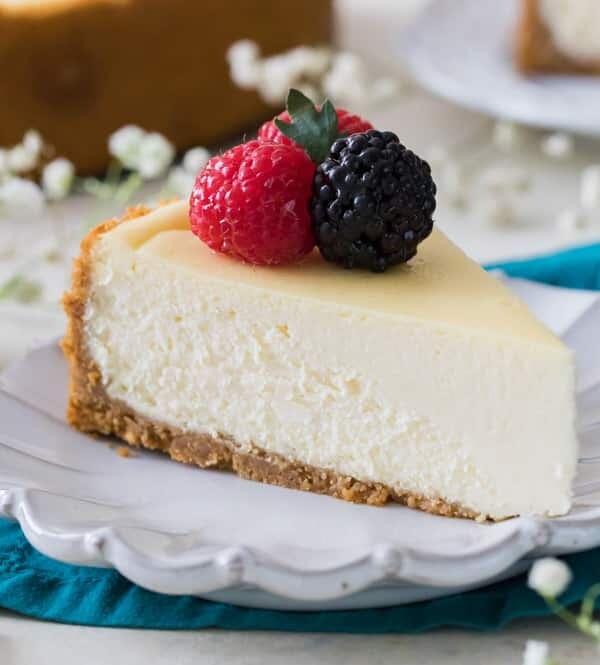
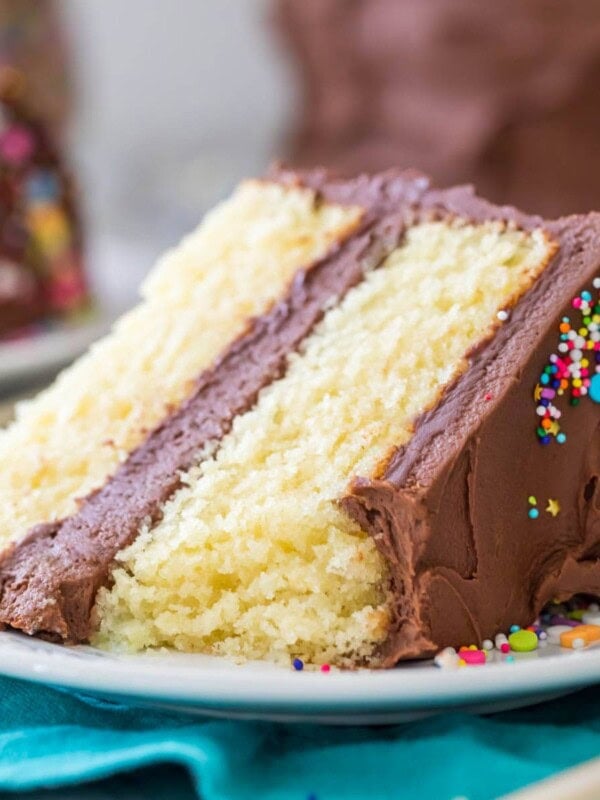
The classic recipe, as written, is still quite thick despite being the thinner of the two. It will spread and spill over any flat edge. I tend to use it in desserts that need to be refrigerated (like my salted caramel cheesecake) since it’s easier to bite and chew when cold. Use this version for drizzling over ice cream, a slice of cake, or in your morning coffee.
What You Need
My caramel sauce uses classic caramel ingredients (sugar, butter, cream) plus a few others for flavor and proper consistency.
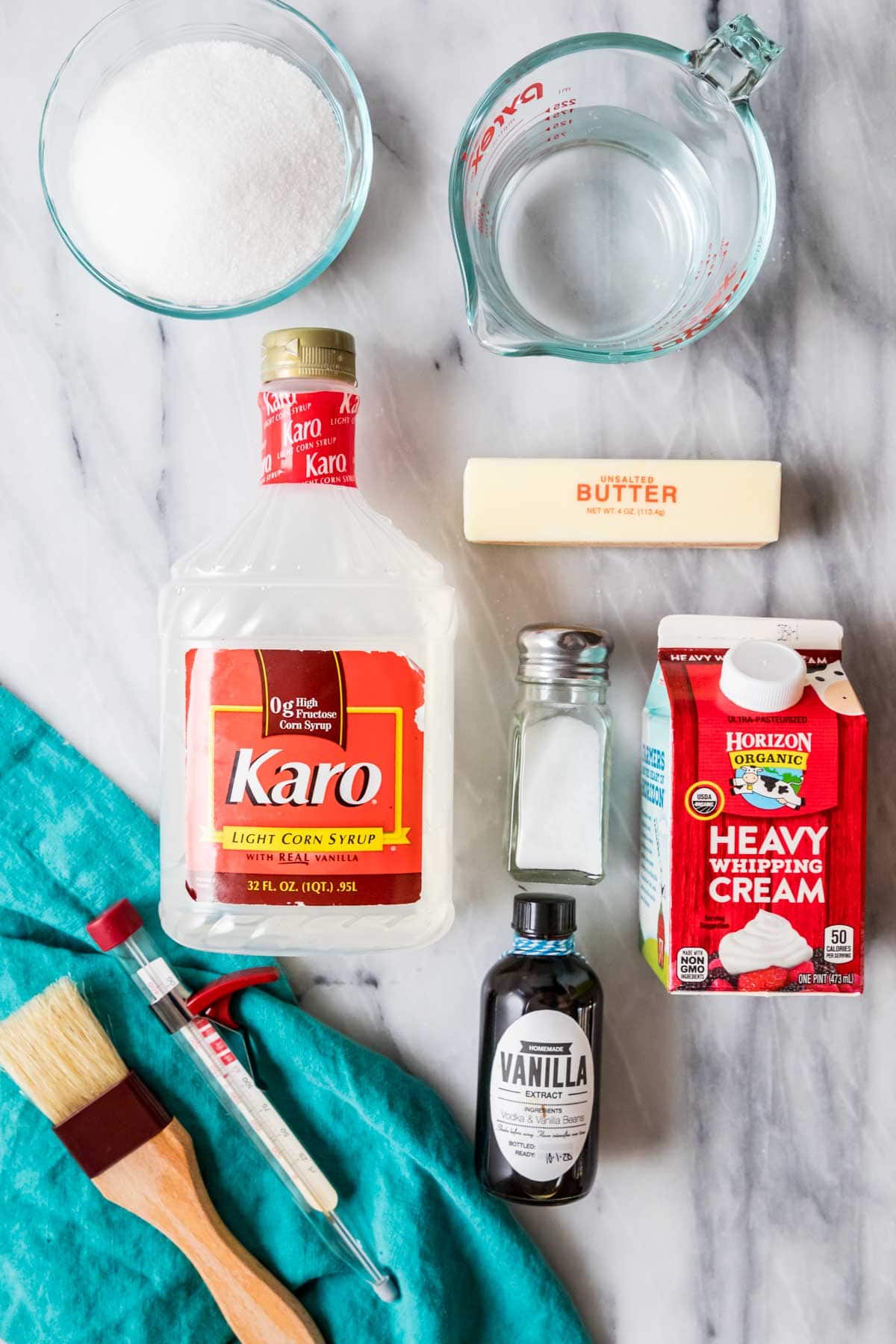
- Granulated sugar. While my quick & easy salted caramel sauce recipe begins with brown sugar (that’s one of the things that makes it so quick & easy!), we are sticking with traditional granulated sugar today.
- Heavy cream: Your caramel will be thinner the more cream you add. For this recipe and classic caramel sauce (best for draping over ice cream or a slice of cheesecake), we use 1/2 cup (120ml) cream. However, for a very thick, chewy caramel (but one that’s still viscous), you can reduce to ¼ cup (60ml) heavy cream. Unlike my other caramel recipe, this recipe adds the cream at the end; I explain the reasoning behind this in more detail below.
- Water. Water is necessary to help the sugar dissolve and heat evenly. It also prevents crystallization.
- Corn syrup. This is optional, but I add corn syrup (not the same thing as high fructose corn syrup!) to prevent the sauce from turning grainy. Golden syrup will also work.
- Vanilla + salt. Both vanilla extract and salt enhance the flavor of the caramel. Don’t skip either!
You will also need a candy thermometer and, optimally, a pastry brush. We’ll be heating our caramel sauce to 340-345F (171-173C), so a candy thermometer is a must here (an instant read is not recommended). We’ll use the pastry brush to clean up any crystallization that occurs while the sugar is dissolving.
SAM’S TIP: If you want a salted caramel sauce, use ½ teaspoon of salt. If you just want regular caramel, use ¼ teaspoon.
Remember, this is just an overview of the ingredients I used and why. For the full recipe please scroll down to the bottom of the post!
How to Make Caramel Sauce
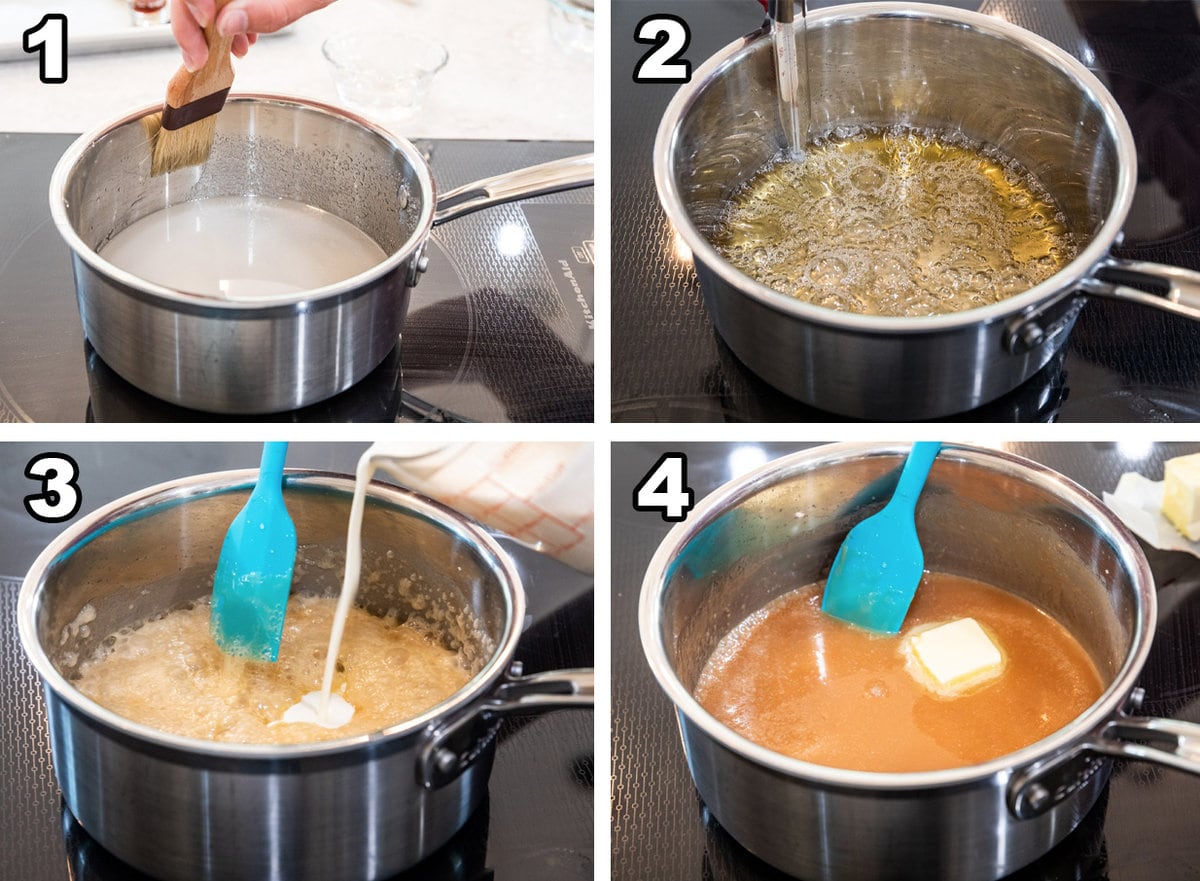
- Stir together the sugar, water, corn syrup, and salt over medium low heat until the sugar dissolves. Use a damp pastry brush to swipe away any sugar crystals that form on the sides of the pot during this process.
- Increase the heat to medium and let the caramel cook WITHOUT STIRRING until it turns a rich caramel color. This can take around 15 minutes–be patient!
- Remove the caramel from the heat and slowly drizzle in the cream while stirring. Be very careful as you do this; there will be lots of fizzing and bubbles!
- Stir in the butter one piece at a time, then add the vanilla and stir until incorporated. Let cool before using and enjoy!
Adding the cream at the end vs. the beginning: Adding the cream at the end of the cooking process is intentional! I do this because it’s important to first cook the sugar to the point of caramelization; during this process, the heat breaks down the sugar molecules and gives us the distinct caramel taste and amber color. If we added the cream at the beginning with the sugar, the sugar just wouldn’t caramelize as effectively. Plus it would lower the temperature of the sugar as it cooks. So adding the cream at the end is best.
Frequently Asked Questions
Unfortunately even the thicker version of this caramel isn’t ideal for topping or filling a cake, as it’s still prone to leaking out and spilling over the edge, even with a dam.
Unfortunately this caramel (even the thicker version) will not stick to apples like a traditional caramel apple would. If you’d like to see a recipe for caramel apples, please let me know in the comments below!
Because it contains cream, caramel sauce needs to be refrigerated. You can store this sauce in an airtight, sealed container in the fridge for up to 2 weeks. You could also freeze it for several months.
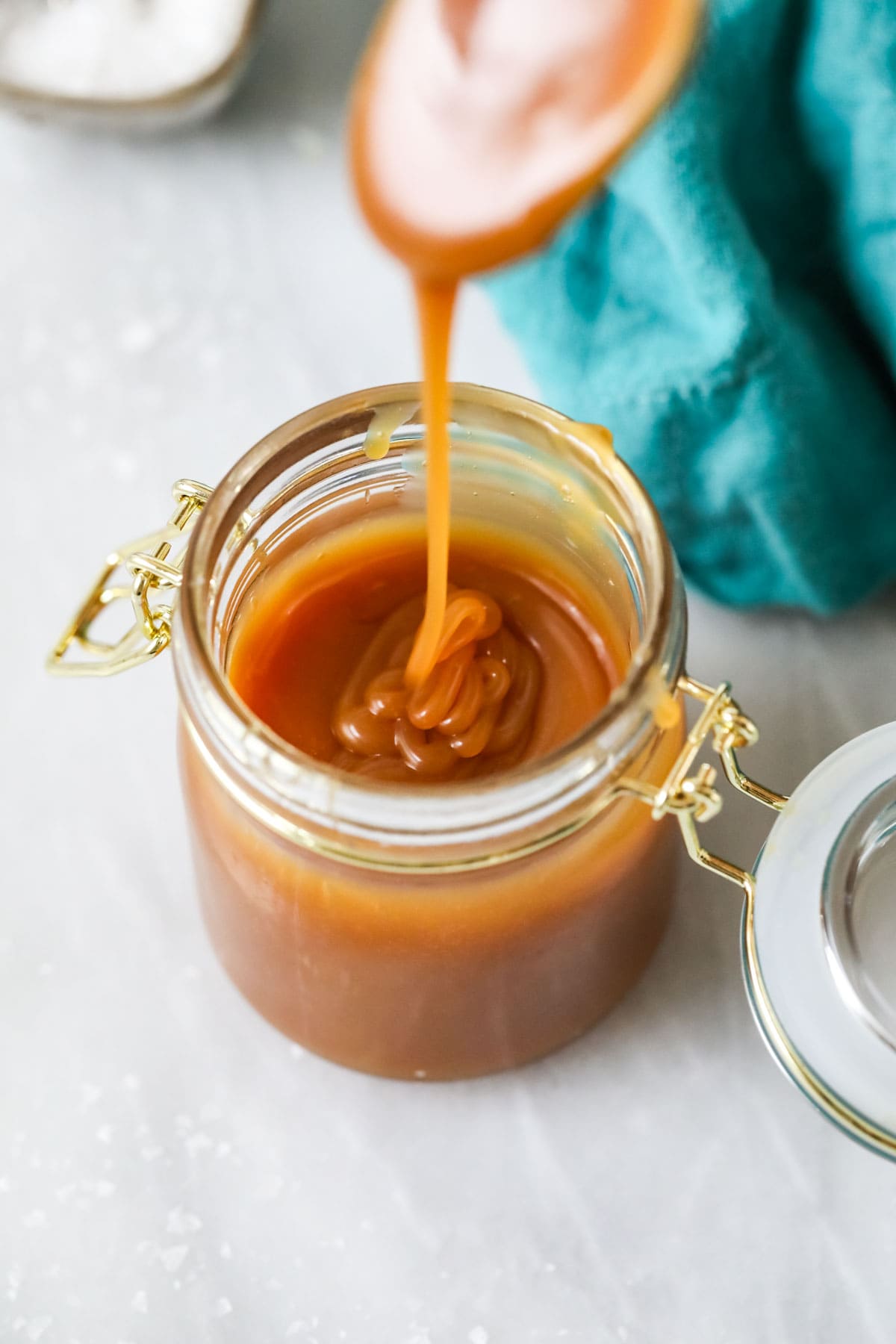
I developed the thicker version of this caramel sauce by request for use in my caramelitas (this is the exact amount needed for that the recipe!). If you plan to do this too, just know that the caramel layer won’t be quite as distinct and some sinks to the bottom, but it’s still a very tasty dessert, and it means you don’t have to use store-bought caramels!
Enjoy!
Let’s bake together! I’ll be walking you through all the steps in my written recipe below! If you try this recipe, be sure to tag me on Instagram, and you can also find me on YouTube and Facebook
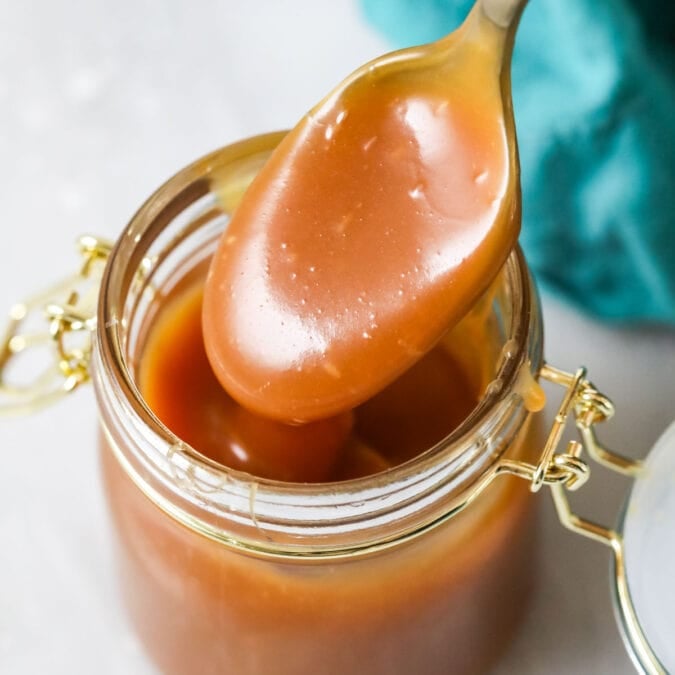
Caramel Sauce
Ingredients
- 1 cup (200 g) granulated sugar
- ¼ cup (60 ml) water
- 2 Tablespoons light corn syrup, see note
- ¼ – ½ teaspoon salt, use ½ tsp for salted caramel sauce, and less for classic caramel
- ½ cup (120 ml) heavy cream, room temperature (see note for using less cream for thicker caramel)
- 3 Tablespoons (42 g) unsalted butter, room temperature and cut into 3 pieces
- 1 ½ teaspoons vanilla extract
Instructions
- SAFETY NOTE: melted sugar is very hot, do not touch the caramel until it’s cooled.
- Combine sugar, water, corn syrup, and salt in a small saucepan. Cook over medium-low heat, stirring occasionally, until sugar is dissolved. If any sugar crystals form on the sides of the pan, dip a pastry brush in water and use it to sweep away any sugar crystals.1 cup (200 g) granulated sugar, ¼ cup (60 ml) water, 2 Tablespoons light corn syrup, ¼ – ½ teaspoon salt
- Continue to cook without stirring (if you notice uneven browning you can gently swirl the pan) until mixture turns amber in color (this can take about 15 minutes or so). If using a thermometer this usually happens between 320-340F (160-172C).
- Remove from heat and very slowly drizzle in cream while stirring. Mixture will bubble a lot, use caution.½ cup (120 ml) heavy cream
- Once cream is incorporated, stir in butter, one piece at a time, until mixture is smooth.3 Tablespoons (42 g) unsalted butter
- Add vanilla and stir until incorporated.1 ½ teaspoons vanilla extract
- Allow caramel to cool before using (unless serving warm over ice cream, then just let it cool until warm enough to consume).
Notes
Corn syrup
Caramel may be made without corn syrup but is more likely to turn out grainy, which is why I recommend including it. You could also substitute golden syrup.Cream/Making a Thick Caramel Sauce
For a thicker caramel sauce, you may reduce the heavy cream to 1/4 cup (60ml). This makes a chewier, taffy-like caramel that can be used for filling caramelitas or alfajores.Troubleshooting
While a candy thermometer is great for precision, since this is such a shallow amount of liquid it can be difficult to get an accurate reading with a candy thermometer. Because of this, it’s easier to go off of color so watch your caramel carefully. When I tested this and wanted to gauge the temperature, I used my instant-read thermometer to temp this and have found I typically reach the proper color around 320-340F.Nutrition
Nutrition information is automatically calculated, so should only be used as an approximation.
Like this? Leave a comment below!










I finally had success making caramel sauce using this recipe. I have tried recipes from others with major fails. I should have started here in the first place since Sam has never let me down yet. Thank you for the wonderful recipe and detailed instructions!
Thank you so much for trusting my recipes, Erica! I’m so glad this one worked well for you! 🙂
Quite incredibly easy and delicious!
Thank you so much for trying my recipe, Janet! I’m so glad you enjoyed it so much! 🙂
Thanks for the info. I guess I wasn’t taking into consideration that it’s just the sugars at the high temp & the added fats cool it down? I made it today & it is delicious! I sampled so much i may have to make more so I have enough for your caramel cheesecake. 🙂
It is hard to not sample it all!
Just checking before I start – Are you sure 340° is the correct temperature? Your toffee recipe is 305°(hard crack) and your caramel candy squares are 240°(soft ball), so it’s hard to imagine a liquid being a higher temp than a solid.
Hi Brenda! 340F is correct. 🙂